
A puddle after a summer storm is a clue about where the water goes, not a diagnosis by itself. Before anyone recommends a fix, look at where it collects, how long it stays and which direction water travels across the property.
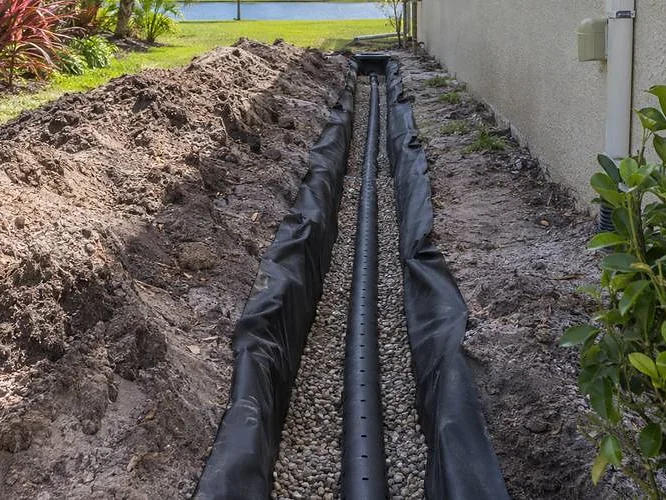
Watch the Yard During and After Rain
Is water sitting in one low spot, running off a driveway toward a bed, or collecting near a walkway? Those patterns point to different site questions. Florida's heavy rain and flat areas can make small changes in grade matter, but the cause still has to be assessed at the property.
Match the Work to the Cause
Regrading can change how surface water moves across a yard. A French drain may be part of a plan where water needs an appropriate path through the ground. Neither is a universal cure, and the correct approach depends on conditions and a suitable place for water to go.
If new beds, sod or a patio are planned, consider the water issue alongside the installation. Covering a wet area with a new surface does not explain why it stays wet.
Start With Useful Observations
Photos taken during a storm and again afterward can help show where water travels and what remains. Share those observations when you ask about a drainage project. Landscape Artistry handles drainage and grading as part of its installation work; it does not promise that every property has the same solution.